When a tree comes down, the first hour matters more than the first quote
A storm ends, the power flickers, and suddenly a tree is lying across the driveway or leaning on the roof. The first reaction is to call someone, any someone, before the damage gets worse. That instinct is understandable, but it is also how people end up paying too much, hiring an uninsured crew, or creating a second emergency. A fallen tree is a safety problem first and a removal project second.
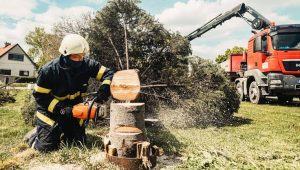
That is where emergency tree service comes in. The work is not just cutting a trunk into pieces; it is stabilizing the scene, protecting people and property, and removing the tree without causing more damage. The right crew arrives with the equipment, insurance, and judgment to handle a hazardous situation. The wrong crew arrives with a chain saw and a cash price.
Safety comes before cleanup. Assume every downed wire is live, even if the neighborhood is dark. Keep people and pets away from the tree, the root plate, and anything touching a line. Call the utility and, if there is a fire, a gas smell, or an injury, call emergency services. A downed line turns a tree into a life-safety issue, and no removal is worth that risk.
What to do before the crew arrives
Look from a distance, not from underneath. A tree under tension can move suddenly, and a root plate can shift without warning. Photograph the scene from several angles, including the tree, the damage, and the surrounding area. Those images help the insurer and the crew, and they cost nothing. Do not try to move a limb that is touching a wire or supporting a structure.
Call your insurer early. Ask whether removal is covered, what documentation they need, and whether they have a preferred vendor. Coverage often depends on whether the tree hit a structure, blocked access, or created an immediate hazard. Documentation is part of the emergency, and a claim is easier to support when the photos and receipts are organized.
Do not improvise temporary repairs that put you at risk. A tarp over a damaged roof is reasonable if it can be done safely; climbing on a roof near a leaning tree is not. If a tree is resting on a structure, keep everyone out of the affected area until a professional assesses it. The building may be more damaged than it looks.
How to hire help without getting burned
Ask for insurance before anything else. General liability and workers compensation should be active, and the certificate should match the company name. A crew without coverage can leave the property owner exposed to medical bills, property damage, or liability. A crew that cannot show insurance is not a crew you can afford, no matter how reasonable the price sounds.
Get a written estimate, even in an emergency. It can be a short form, but it should state the scope, the price, the equipment, the disposal, and the expected completion time. Ask whether the price includes stump grinding, cleanup, and any temporary protection. The first quote is not the same as the first qualified crew, so compare at least two options if the situation allows.
Be careful with door-to-door crews after a storm. Some are legitimate, but many are not. Be suspicious of cash-only demands, large deposits, no local address, no written contract, and pressure to start immediately. A legitimate emergency crew can explain the plan and provide paperwork. If the answer is «we will figure it out later,» find someone else.
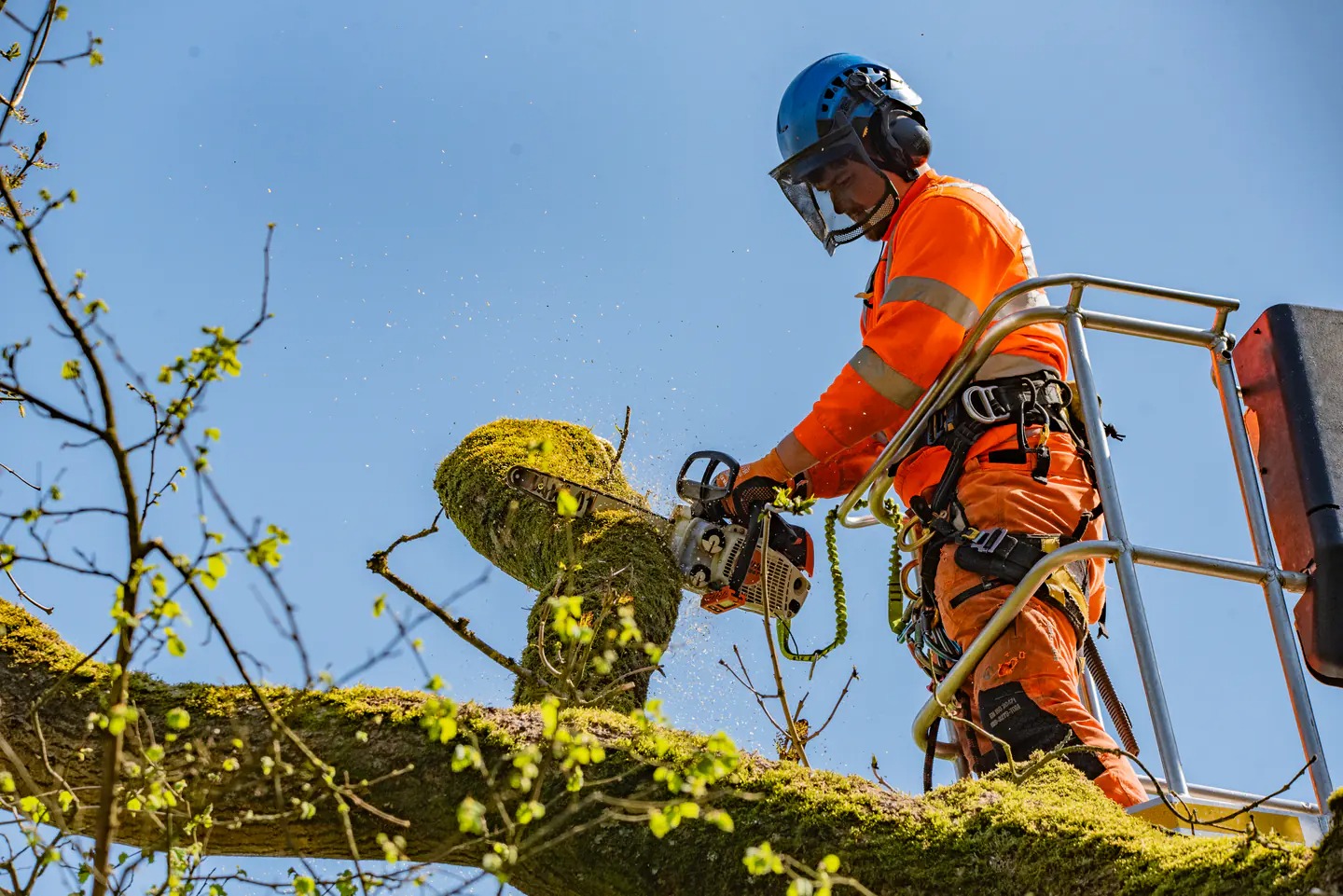
Ask how the crew will protect the property. A crane or bucket truck needs space and a stable surface. Limbs may swing, and equipment can crack pavement or damage siding. The estimate should include mats, barriers, and cleanup. The cheapest emergency removal can be the most expensive repair, especially when the damage is discovered after the crew leaves.
What a fair price looks like
Emergency work costs more than scheduled work, and that is reasonable. After-hours calls, overtime, specialized equipment, and the risk of working around damaged structures all add cost. Ask for a breakdown: labor, equipment, disposal, permits, and any emergency surcharge. A price that is high but explained is easier to trust than a number pulled from the air.
The size and position of the tree drive the price. A large trunk near a house may require rigging or a crane, while a small tree in an open yard can be removed quickly. Access matters too: a narrow gate, a steep slope, or a fence can slow the work. Disposal is another variable, especially if the wood cannot be chipped on site.
Do not pay the full amount before the work is done. A deposit for materials or equipment may be reasonable, but a demand for the entire fee upfront is a red flag. Pay by a method that leaves a record, and keep the invoice. If the crew asks for cash and no receipt, walk away.
After the tree is gone, inspect the site. Check the lawn, the driveway, the fence, and the roof for damage that may not be obvious. Confirm that the stump was ground if it was included, and that the debris was removed. The job is finished when the property is safe and clean, not when the truck pulls away.
Finally, think about prevention. The next storm will come, and the trees that remain should be inspected. Remove deadwood, correct structural defects, and prune for clearance before the season. A planned maintenance visit is cheaper than an emergency removal, and it is far less stressful. The best emergency tree service is the one you do not need, but when you do, it should be qualified, insured, and accountable.